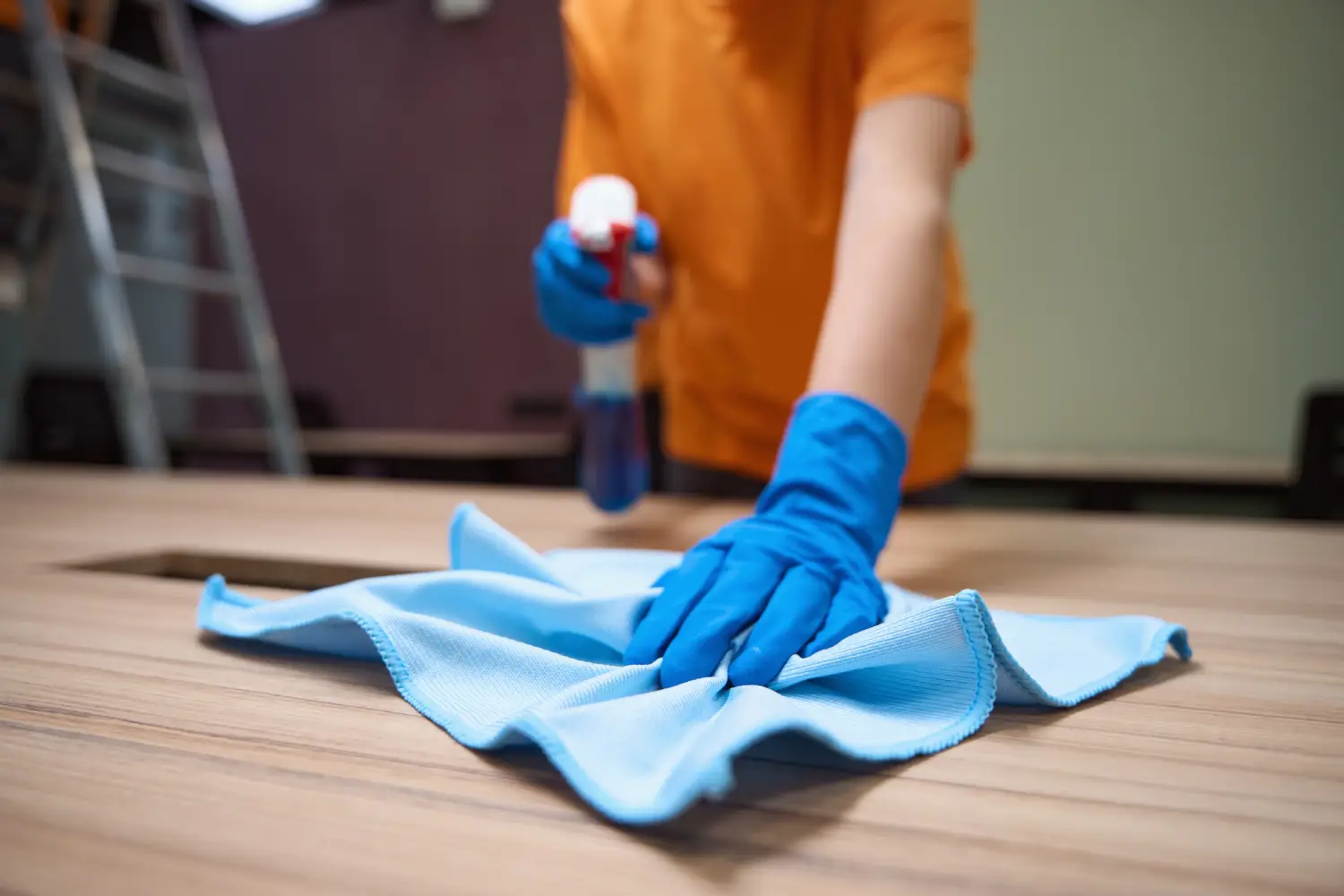
Workplace hygiene is about far more than appearances—it directly impacts employee health, productivity, and morale. A shared office is a shared environment, and every desk, keyboard, and door handle becomes a potential transfer point for germs.
Organizations that take workplace hygiene seriously report fewer sick days, higher engagement, and a stronger professional reputation. The good news is that a healthier office is achievable with the right combination of habits, products, and professional support.
The Hidden Germ Hotspots in Every Office
Studies consistently show that everyday office surfaces harbor surprising levels of bacteria. Many of the most contaminated spots are the ones people touch constantly without a second thought.
- Desks and workstations: Keyboards, mice, phones, and desktops can collect more germs than a toilet seat when not cleaned regularly.
- Breakroom appliances: Refrigerator handles, microwave buttons, coffee machine levers, and faucets are shared by the entire team.
- Meeting room controls: Remote controls, presentation clickers, and light switches pass through many hands daily.
- Restroom touchpoints: Faucets, soap dispensers, and door handles require constant attention.

Hand Hygiene: The Foundation of Office Health
Handwashing is the single most effective way to prevent the spread of infection in the workplace. Employees touch shared surfaces hundreds of times a day, then touch their own faces without thinking.
Support hand hygiene by keeping soap, hand sanitizer, and paper towels fully stocked in restrooms and common areas. Place sanitizer dispensers at entrances, breakrooms, and conference rooms, and encourage employees to wash their hands before and after shared tasks.

Personal Hygiene in the Workplace
Personal hygiene in the workplace sets the tone for a professional environment. Encourage employees to keep workspaces tidy, cover coughs and sneezes, and stay home when they are ill.
Clear policies about sick leave and remote work when symptomatic protect the whole team. When employees feel supported in staying home, they are less likely to spread illness to colleagues.

Desk and Equipment Cleaning Protocols
Individual workstations need regular attention between professional cleanings. Provide employees with safe, disinfectant-safe wipes and encourage a daily wipe-down of keyboards, mice, phones, and desktops.
Remind teams never to eat over keyboards, to shake crumbs out away from desks, and to report spills immediately. Professional teams then handle deeper cleaning, including screens, cable trays, and hard-to-reach surfaces.

Indoor Air Quality and Workplace Hygiene
Workplace hygiene extends beyond visible surfaces to the air your team breathes. Dust, allergens, and airborne particles accumulate in vents, carpets, and upholstery, contributing to eye irritation, respiratory issues, and fatigue.
Regular vacuuming with HEPA-filtered equipment, carpet extraction, and vent cleaning dramatically improve indoor air quality. Professional cleaning teams understand how to reduce airborne contaminants while using eco-friendly products that protect indoor environments.

Building a Year-Round Hygiene Program
A healthier office is the result of a consistent program, not a one-time deep clean. Combine daily professional cleaning, scheduled deep maintenance, and simple employee habits into a year-round approach.
EnviroClean partners with offices across New Jersey, New York, and Philadelphia to deliver commercial cleaning services designed around each facility’s workflow. From nightly cleaning to disinfection services and day porter support, we help workplaces stay healthy every single day.

Restroom Hygiene in the Workplace
Office restrooms are among the most heavily used and most scrutinized spaces in any building. A well-maintained restroom signals to employees and visitors that the organization cares about their comfort and health.
Restroom hygiene goes beyond wiping counters. Automatic soap and paper towel dispensers reduce cross-contamination, touchless faucets and flushes limit contact points, and daily restocking prevents the frustration of empty supplies at critical moments.
- Daily: Clean and disinfect all fixtures, mirrors, and dispensers; restock soap, towels, and tissue; empty trash.
- Weekly: Descale fixtures, scrub grout lines, and detail corners and partitions where buildup forms.
- Monthly: Deep clean vents, sanitize trash receptacles, and inspect for wear that could harbor bacteria.
Encourage employees to wash their hands after restroom use and post friendly reminders near sinks. A simple hand-hygiene culture, reinforced by visible and stocked facilities, measurably reduces the transmission of germs.

Breakroom and Kitchen Sanitation
The office breakroom brings the whole team together, which also makes it a hotspot for shared germs. Refrigerator handles, microwave keypads, coffee machines, and sinks are touched by nearly every employee every day.
Create a shared responsibility roster for wiping counters, cleaning microwaves, and clearing the refrigerator each week. Combine those habits with professional attention to appliances, cabinets, and floors.
Encourage employees to label and date their food, wash dishes promptly, and report spills immediately. Spills left on floors and counters not only look unprofessional but become a slip hazard and a breeding ground for bacteria.
When the team follows simple breakroom rules and professional cleaners handle deep sanitation, the kitchen stays safe, pleasant, and welcoming for everyone who uses it.

Seasonal Illness Prevention in the Office
Workplace hygiene becomes especially important during cold and flu season, when illness spreads quickly through open-plan offices and shared spaces.
Increase the frequency of high-touch disinfection during peak illness periods. Door handles, elevator buttons, railings, and meeting room controls should be cleaned multiple times per day rather than once. Place hand sanitizer stations at entrances and high-traffic intersections so employees can disinfect their hands on the move.
Encourage vaccination and clear communication about staying home when symptomatic. Flexible sick leave and remote work options, paired with a visible sanitization program, build an office culture where employees feel cared for and less likely to push through illness at the expense of colleagues.
A professional cleaning partner can adjust service frequency seasonally, adding disinfection rounds and deep cleans exactly when your workplace needs them most.
The most effective workplace hygiene programs combine all of these elements into a single coordinated effort: daily professional cleaning, weekly deep attention to problem zones, stocked hand-hygiene supplies, and clear employee expectations. Review the program quarterly to measure results, gather employee feedback, and adjust frequencies where your building’s traffic patterns demand more attention.
For best results, document the program so progress is measurable over time. Track absenteeism trends, survey employees about the workplace, and record completion rates for each cleaning task. With visible data, workplace hygiene stops being an abstract goal and becomes a proven contributor to a healthier, more productive office.

Build a Healthier Workplace
Create a cleaner, healthier office with professional hygiene-focused commercial cleaning.