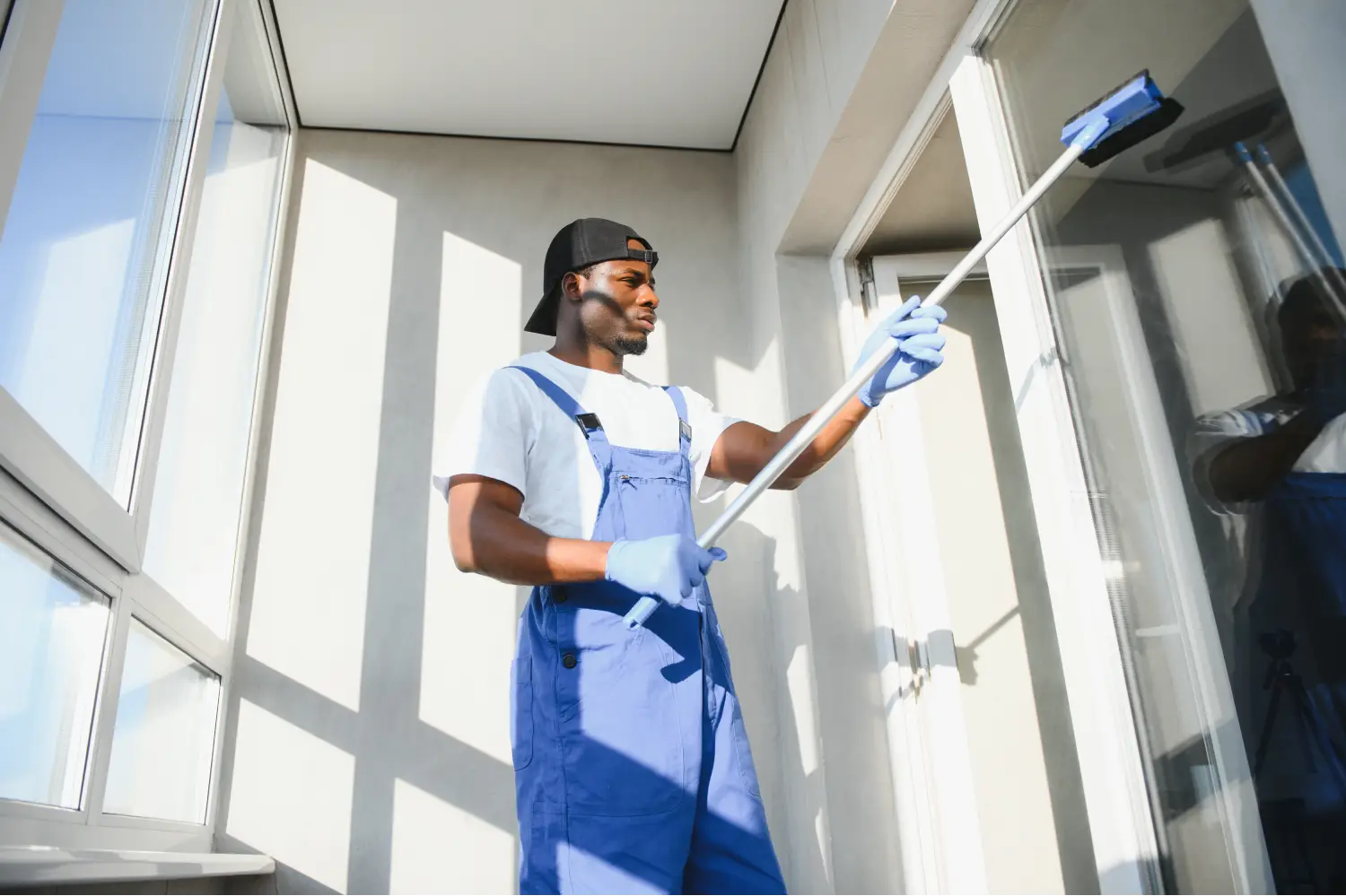
When asking what is a janitor, many imagine someone simply sweeping floors or emptying wastebaskets. In reality, modern commercial janitors are trained technicians responsible for safeguarding public health, preventing disease transmission, and protecting valuable property assets. Their work directly affects indoor air quality, facility longevity, and the overall productivity of occupants inside any commercial building.
A clean environment is no longer viewed as merely an aesthetic requirement; it is a fundamental health and safety standard. Businesses, healthcare facilities, educational institutions, and corporate campuses rely on skilled janitorial professionals to ensure that high-touch surfaces are sanitary, floors are well-maintained, and waste is managed responsibly. Understanding the full scope of what a janitor does helps facility managers and business owners make informed decisions about their maintenance protocols.
Core Responsibilities of a Professional Janitor
Janitors manage environmental hygiene in schools, office complexes, medical suites, and industrial buildings. Their daily routines involve structured checklists designed to maintain spotless spaces while preventing cross-contamination across different functional zones.
Key responsibilities include:
- Surface Disinfection: Eliminating viral and bacterial pathogens from high-touch points such as light switches, door handles, push plates, desk surfaces, and stair railings.
- Floor Care: Vacuuming carpeted zones, scrubbing tile, stripping and waxing hardwood, and buffing hard surfaces to prevent wear and tear.
- Restroom Hygiene: Thorough sanitization of porcelain fixtures, stalls, sinks, mirrors, and restocking soap, paper towel, and toilet paper dispensers.
- Waste Management: Safely emptying trash receptacles, replacing liners, sorting recyclable materials, and transporting waste to central disposal sites.
- Window and Glass Cleaning: Clearing smudges, fingerprints, and dirt from interior glass partitions, glass doors, and reachable windows.
- Inventory and Supply Monitoring: Keeping track of cleaning chemicals, paper products, personal protective equipment, and notifying management when restocking is needed.
The Importance of Systematic Cleaning Protocols
A professional janitor does not clean at random. They follow systematic workflows (such as cleaning from top to bottom and clean zones to dirty zones) to ensure that dust and pathogens are effectively captured rather than scattered. This structured approach guarantees that every square foot of a facility receives thorough attention.
What Is the Difference Between a Janitor and a Custodian?
Facility managers frequently evaluate staffing requirements by asking what is the difference between a janitor and a custodian. While these terms are often used interchangeably in everyday conversation, they reflect distinct operational roles within commercial building management.
While both roles maintain cleanliness, janitors focus primarily on periodic, scheduled deep cleaning and sanitation tasks (often off-hours). Custodians typically remain on site full-time during operational hours to handle building maintenance, emergency spills, and minor facility repairs.


Key Operational Differences
- Working Hours: Janitors usually operate during evening or overnight shifts when buildings are vacant, enabling deep cleaning without disturbing daily operations. Custodians usually work during business hours to handle daytime incidents.
- Scope of Work: Janitors emphasize intensive sanitation, floor burnishing, restroom disinfection, and waste removal. Custodians manage broader property oversight, including basic plumbing checks, replacing light bulbs, locking doors, and monitoring building systems.
- Facility Presence: A custodian acts as an active caretaker of a specific property, while a janitor may be part of a mobile team servicing multiple facilities on a structured schedule.
Essential Skills for Modern Janitorial Staff
Professional janitorial staff receive specialized training in chemical safety, equipment operation, and ergonomics. Modern cleaning relies heavily on science-backed processes rather than simple manual labor.
Core competencies required for modern janitors include:
- Knowledge of EPA-registered chemical dwell times, dilution rates, and safety data sheets (SDS).
- Adherence to CDC infection control protocols and OSHA safety workplace regulations.
- Proficiency operating industrial scrubbers, burnishers, electrostatic sprayers, and HEPA vacuums.
- Understanding color-coding systems for microfiber towels to eliminate cross-contamination between restrooms and office desks.
- Physical endurance and knowledge of proper ergonomic lifting techniques to prevent workplace injuries.
- Attention to detail to identify minor maintenance issues, such as leaks or broken fixtures, before they become costly repairs.

The Impact of Chemical Safety Training
Using commercial disinfectants requires precise chemical mixing. Modern janitors are trained to understand dilution control systems, proper wet dwell times, and personal protection protocols. This technical knowledge ensures that facility surfaces are fully disinfected without damaging expensive finishes or compromising workplace air quality.
Tailored Solutions Across Industries
From daily office upkeep to specialized academic sanitation, professional janitorial care adapts to facility requirements. Different sectors present unique challenges that demand tailored janitorial strategies.
Corporate Office Spaces
In corporate environments, janitorial services focus on maintaining high aesthetic standards and preventing sickness outbreaks among staff. Daily floor care, trash collection, and workstation sanitization help maintain a professional environment and reduce employee sick days.
Educational Facilities
Schools and universities experience heavy foot traffic and rapid pathogen spread. Janitors working in educational settings use specialized child-safe disinfectants, focus on high-touch desk sanitization, and manage high-volume restroom hygiene daily.
Healthcare and Medical Offices
Medical facilities require hospital-grade sanitation. Janitorial crews operating in outpatient clinics or doctor offices follow strict biohazard compliance, terminal cleaning methods, and infection control standards to protect patients and medical staff.
Explore our dedicated janitorial services, discover our health-focused school cleaning services, or review our broad-scale building cleaning services today.

Hire Certified Janitorial Professionals
Ensure your facilities are cleaned by trained technicians committed to health and safety.