Walk into a healthcare facility and everything may appear spotless. Floors shine, trash bins are empty, and surfaces smell disinfected. But in healthcare, visual cleanliness and infection control are not the same thing.
This is where the difference between Routine Cleaning and Terminal Cleaning becomes critical.
Both cleaning methods play a major role in reducing contamination and maintaining patient safety, but they serve completely different purposes. One supports day-to-day operations. The other is designed to stop dangerous pathogens from spreading between patients, staff, and healthcare environments.
For hospitals, clinics, surgical centers, and medical offices, understanding this difference is no longer optional. Regulatory expectations are higher, patients are more aware of sanitation standards, and healthcare-associated infections remain a major operational risk.
Professional hospital cleaning and medical cleaning services are now expected to follow structured protocols rather than simply making facilities “look clean.”


What Is Routine Cleaning in Healthcare?
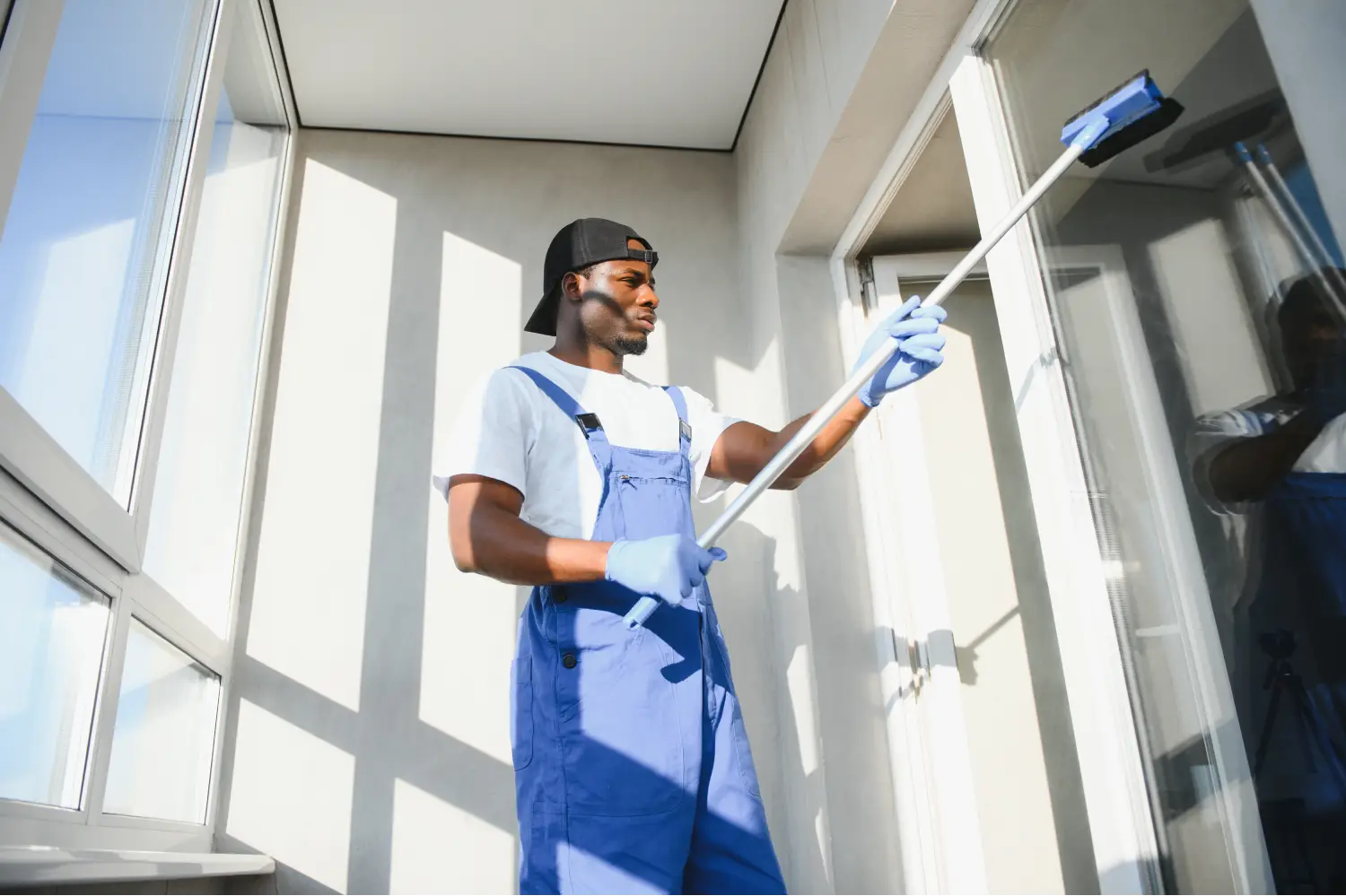
Routine Cleaning refers to the daily or ongoing cleaning tasks performed to maintain sanitary conditions during normal healthcare operations.
This is the cleaning patients and staff interact with every day. It includes regular disinfection of high-touch surfaces, restroom sanitation, trash removal, lobby maintenance, and cleaning treatment rooms between appointments.
In healthcare environments, routine cleaning commonly includes:
- Disinfecting counters and exam tables
- Wiping door handles and switches
- Cleaning waiting areas
- Sanitizing bathrooms
- Removing waste
- Mopping floors
- Restocking hygiene supplies
The goal of routine cleaning is consistency. Healthcare environments experience constant foot traffic, repeated surface contact, and continuous bacterial exposure throughout the day. Without structured daily cleaning, contamination builds rapidly.
One of the biggest misconceptions about healthcare routine cleaning is that visible cleanliness equals safety. In reality, many dangerous pathogens survive on surfaces people rarely think about.
Common contamination points include: bed rails, tabletops, touchscreens, waiting room armrests, faucet handles, reception counters, medical carts.
Routine cleaning helps reduce microbial load throughout the day, but it does not completely eliminate contamination risk in higher-risk medical environments.
That is why routine cleaning and terminal cleaning are designed to work together, not replace one another.
What Is Terminal Cleaning?
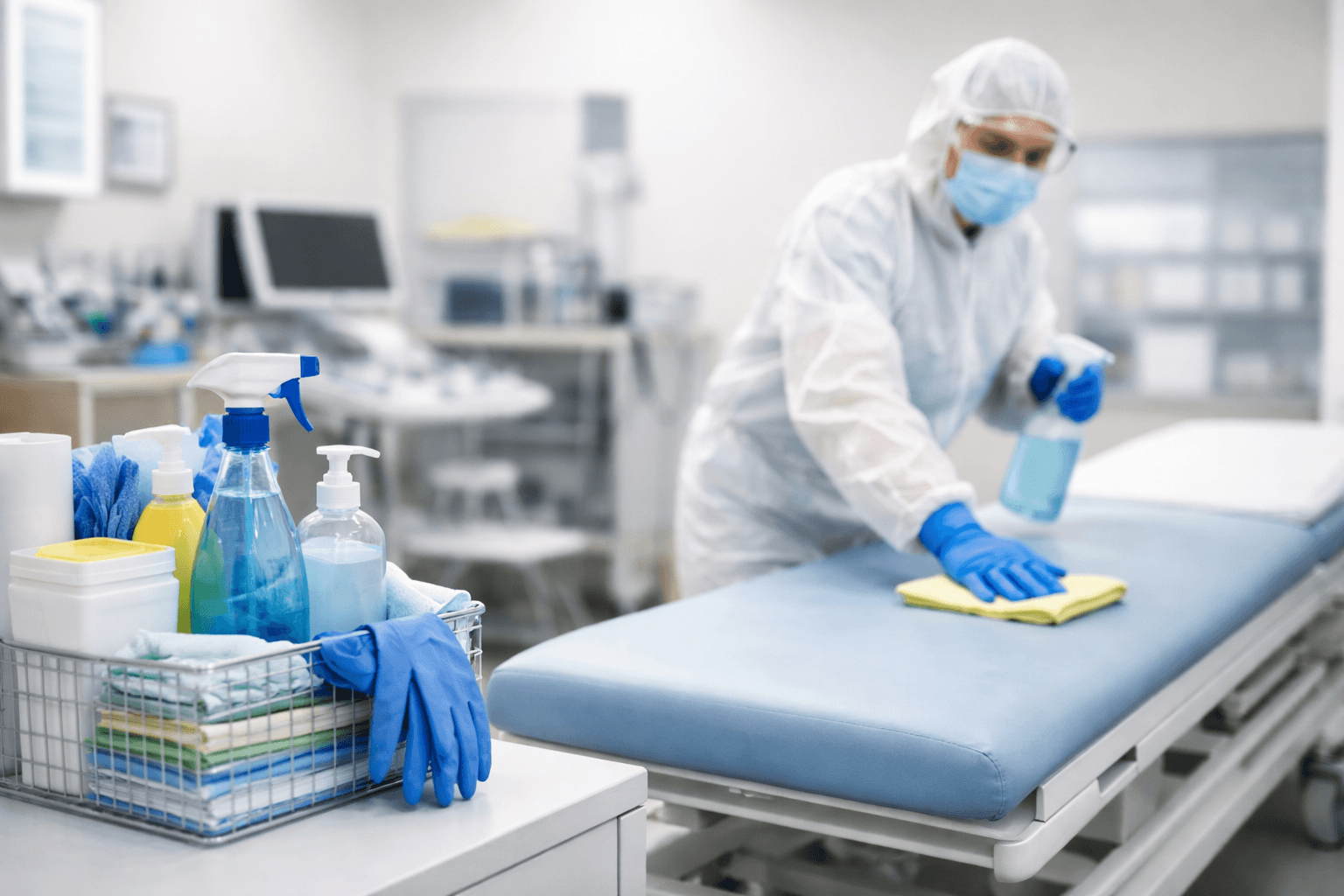
Terminal Cleaning is a much more detailed disinfection process performed after a patient leaves a room, after infectious exposure, or after procedures involving elevated contamination risk.
Unlike routine cleaning, terminal cleaning is specifically focused on infection prevention and contamination control.
This process is commonly required in:
- Hospital rooms after discharge
- Isolation rooms
- ICU units
- Emergency treatment rooms
- Surgical suites
- Procedure rooms
- Areas exposed to infectious diseases

Terminal cleaning involves significantly more than wiping surfaces or replacing linens. A proper terminal cleaning protocol may include:
– Full disinfection of all reachable surfaces
– Cleaning walls, equipment, and fixtures
– Disinfecting patient-contact areas
– Treating biohazard exposure points
– Using EPA-approved healthcare disinfectants
– Following strict disinfectant dwell times
– Replacing contaminated materials
– Verification procedures or ATP testing
One important distinction is that terminal cleaning follows a structured protocol rather than visual judgment.
In healthcare environments, pathogens such as MRSA, C. diff, norovirus, and other infectious organisms can survive on surfaces for days or even weeks if not properly disinfected.
This is why terminal cleaning in healthcare is considered part of infection control operations, not simply janitorial maintenance.
Terminal Cleaning vs Routine Cleaning: The Real Difference
Many healthcare facilities unintentionally blur the line between these two cleaning systems. The result is inconsistent sanitation standards and increased contamination risk.
Here is the practical difference:
Routine cleaning is designed to maintain order throughout the day. Daily maintenance cleaning that focuses on general sanitation, faster and repetitive, maintains appearance and hygiene, usually performed during active operations and with lower-risk surface management.
Terminal cleaning is designed to interrupt transmission cycles. With deep disinfection after discharge or exposure it focuses on infection prevention with detailed and protocol-driven, built to reset contamination risk and prevent high-risk pathogen mitigation while often performed after room vacancy.
That difference matters enormously in healthcare environments where vulnerable patients may already have weakened immune systems.
The Role of Professional Medical Cleaning Companies
Modern healthcare cleaning has become highly specialized.
Medical environments now require cleaning providers who understand:
- OSHA expectations
- CDC guidance
- Cross-contamination prevention
- PPE procedures
- Healthcare-grade disinfectants
- Biohazard awareness
- Patient-sensitive workflows
- Documentation systems

Professional healthcare cleaners are trained to work around active patient care environments without disrupting operations.
This often includes: color-coded microfiber systems, isolated cleaning equipment for different zones, specialized disinfection methods, high-touch surface prioritization and flexible scheduling for occupied facilities.
A healthcare facility may only get one chance to prevent contamination spread. That reality changes how cleaning must be approached.
At EnviroClean, healthcare sanitation is treated as an operational safety system rather than a cosmetic service. Proper medical cleaning services and hospital cleaning services require structured protocols, trained personnel, and consistency across every stage of the cleaning process.