Many businesses search for a cleaning company assuming all commercial cleaning services work the same way. In reality, there is a major operational difference between day porter cleaning and night office cleaning, and choosing the wrong approach can affect everything from employee productivity to customer perception.
A spotless office at 8 a.m. means very little if the restrooms are trashed by noon, trash bins overflow during meetings, or lobby floors look neglected by the afternoon. On the other hand, relying only on daytime maintenance without a proper nightly reset often leaves offices looking superficially clean while deeper sanitation issues build up behind the scenes.
The truth is that both cleaning models serve different purposes. Understanding the difference helps businesses choose the right structure instead of wasting money on services that do not match the way their facility actually operates.


What Is Day Porter Cleaning?
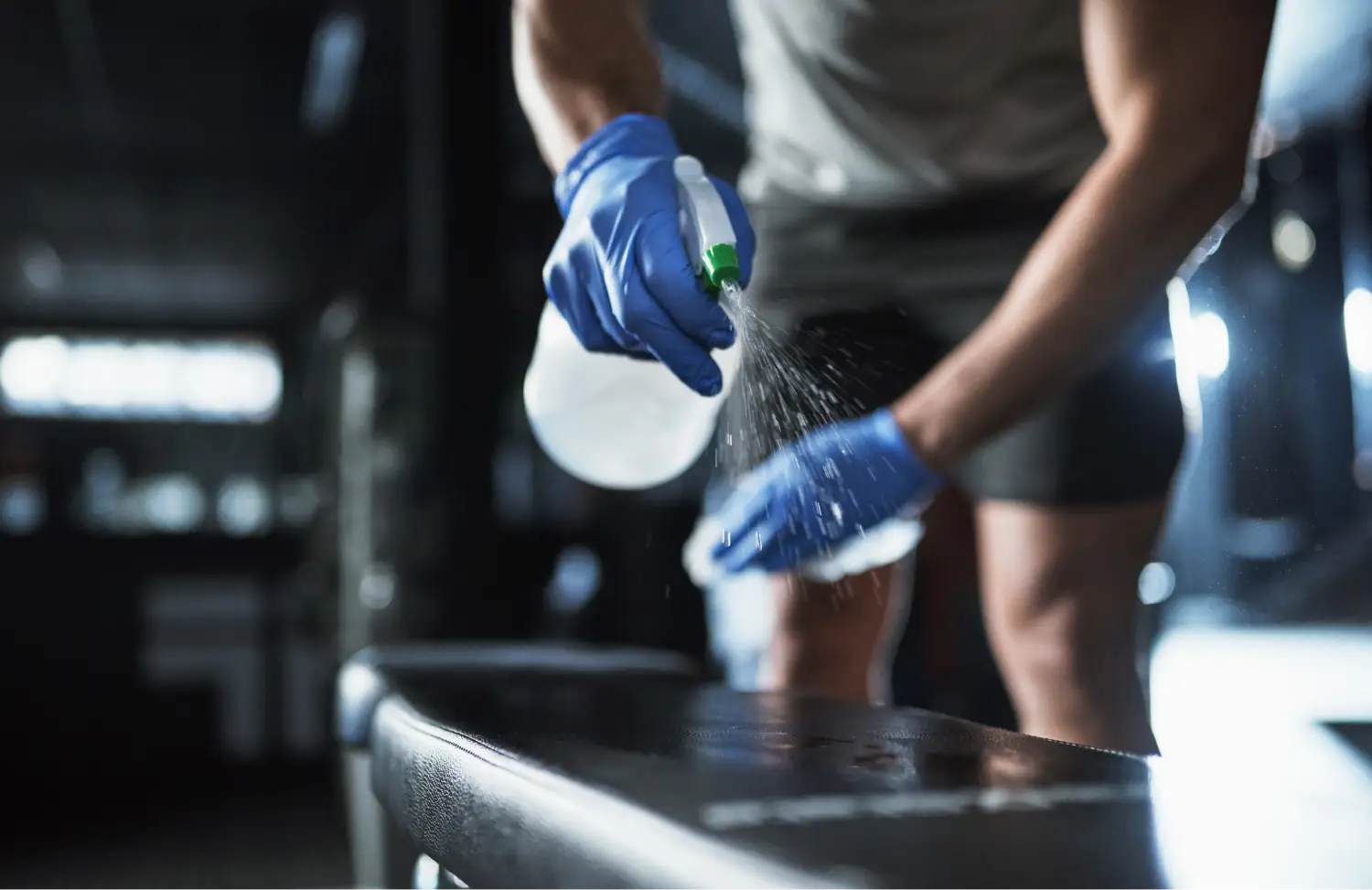
Day porter cleaning refers to ongoing cleaning and maintenance services performed during business hours. Unlike traditional janitorial crews that arrive after employees leave, day porters remain active throughout the day to keep the facility consistently clean, stocked, and presentable.
A day porter’s responsibilities often include:
- Cleaning and restocking restrooms
- Removing trash before bins overflow
- Spot-cleaning spills and fingerprints
- Maintaining lobbies and entrances
- Sanitizing high-touch surfaces
- Resetting conference rooms
- Monitoring common areas throughout the day
This type of service is especially valuable in facilities with heavy foot traffic where cleanliness quickly declines between scheduled cleanings.
For example, an office with constant client visits may look perfectly clean at 9 a.m., but by 2 p.m. the lobby floors, glass doors, and restrooms can already appear neglected. Day porter cleaning solves this issue by providing continuous upkeep while the building is in use.
Businesses that invest in professional day porter services are usually focused on maintaining a consistent appearance throughout operational hours, not just after-hours cleaning results.
What Is Night Office Cleaning?
Night office cleaning focuses on deeper cleaning tasks performed after employees leave for the day. Since crews can work without disrupting staff, they are able to complete larger and more thorough cleaning procedures efficiently.
Typical night office cleaning tasks include:
- Vacuuming entire office spaces
- Mopping and floor care
- Full restroom sanitization
- Trash removal throughout the facility
- Kitchen and breakroom cleaning
- Dusting workstations and furniture
- Detailed sanitization of surfaces

Night office cleaning is often the backbone of a commercial cleaning program because it allows cleaners to fully reset the facility before the next business day begins.
Certain tasks simply work better after hours. Vacuuming open office areas during meetings, deep-cleaning restrooms while employees are working, or moving equipment around busy hallways creates distractions and operational issues. After-hours cleaning eliminates these interruptions while allowing cleaning crews to work faster and more effectively.
Businesses looking for consistent after-hours janitorial support often rely on professional nightly cleaning services to maintain sanitation standards without interfering with daily operations.
The Biggest Difference Between Day Porter Cleaning and Night Office Cleaning
The biggest misunderstanding in commercial cleaning is assuming one service replaces the other. In reality, they are designed for completely different operational goals.
Day porter cleaning is focused on maintaining appearance, responsiveness, and functionality during active business hours. Night office cleaning is focused on restoring and sanitizing the facility after daily operations end.
Day porters handle immediate problems as they happen. A spill in the lobby, an empty soap dispenser, overflowing trash, or dirty glass doors can all be addressed in real time. Night cleaning crews, however, focus on larger-scale cleaning tasks that require access to the full building without interruption.
One service is reactive and visible. The other is systematic and restorative. Facilities that confuse the two often end up frustrated because their cleaning structure does not align with the actual demands of the building.
Which Facilities Usually Need Day Porter Cleaning?
Not every business requires daytime cleaning staff, but certain industries benefit enormously from it.
Facilities that typically require day porter cleaning include:
- Medical offices
- Corporate headquarters
- Schools and universities
- Government buildings
- Retail centers
- Multi-tenant office buildings
- High-traffic industrial offices

These environments experience constant movement throughout the day. Restrooms receive heavy use, lobby floors become dirty quickly, and trash accumulates faster than a nightly cleaning schedule can realistically manage.
In medical and healthcare environments especially, appearance and sanitation directly affect trust. A waiting room that looks neglected can immediately damage patient confidence, even if deep cleaning occurs every evening.
The same applies to corporate buildings that regularly host meetings, investors, clients, or visitors. Cleanliness becomes part of the company’s professional image.
Which Businesses Can Rely Mostly on Night Office Cleaning?
Some businesses do not need active daytime cleaning staff and can operate effectively with a strong night office cleaning schedule alone.
Examples include:
- Small professional offices
- Accounting firms
- Law offices
- Administrative back offices
- Low-traffic commercial spaces
If a facility has limited visitor traffic, smaller staff sizes, and predictable daily use, nightly cleaning may provide more than enough maintenance.
This is important because not every business needs the expense of a full-time day porter. Some cleaning companies oversell daytime staffing even when the building’s operational reality does not justify it.
A good commercial cleaning strategy should match the actual usage patterns of the facility rather than applying a one-size-fits-all solution.

Why Many Large Facilities Use Both
Many larger commercial facilities combine both day porter cleaning and night office cleaning because each service solves a different operational challenge.
The day porter maintains the facility throughout active business hours while the night crew performs the deeper reset once the building empties.
This combination creates several advantages:
- Restrooms remain consistently clean
- Trash never becomes overwhelming
- Floors maintain a better appearance
- Employees experience fewer disruptions
- Clients encounter a cleaner environment throughout the day
- Deep sanitation still occurs nightly
This is why airports, hospitals, large office towers, and high-end corporate facilities rarely rely on only one type of cleaning structure.
The goal is no longer simply “clean enough.” Modern businesses increasingly understand that cleanliness affects employee morale, customer trust, online reviews, and even tenant retention in multi-tenant properties.