Cross-contamination is one of those risks most people don’t think about, until it becomes a problem.
In healthcare settings, it’s not just about cleanliness, it’s about what you can’t see.
Bacteria and viruses move easily between surfaces, tools, and people, often without obvious signs.
That’s why cleaning standards for healthcare facilities exist. Not to make a space look clean, but to control how contamination spreads in the first place.
What Is Cross-Contamination in Healthcare Settings?
Cross-contamination happens when harmful microorganisms are transferred from one surface, person, or object to another. In healthcare settings, that transfer can happen faster than most teams realize.
Common pathways include:
- A contaminated glove touching multiple surfaces
- Cleaning cloths reused between rooms
- Medical tools that are improperly disinfected
- Airflow carrying particles between enclosed spaces
What makes healthcare environments different is the vulnerability of the people inside them. Patients often have weakened immune systems, which means even low-level contamination can lead to infections.
This is exactly why cleaning standards for healthcare facilities are structured to break these chains at every point.
The Most Common Sources of Cross-Contamination
If you want to prevent cross-contamination, you need to know where it actually starts. It’s rarely one big failure, it’s a series of small ones.
High-Touch Surfaces
Door handles, light switches, bed rails, reception counters. These are touched constantly and often missed in routine cleaning.
Shared Equipment
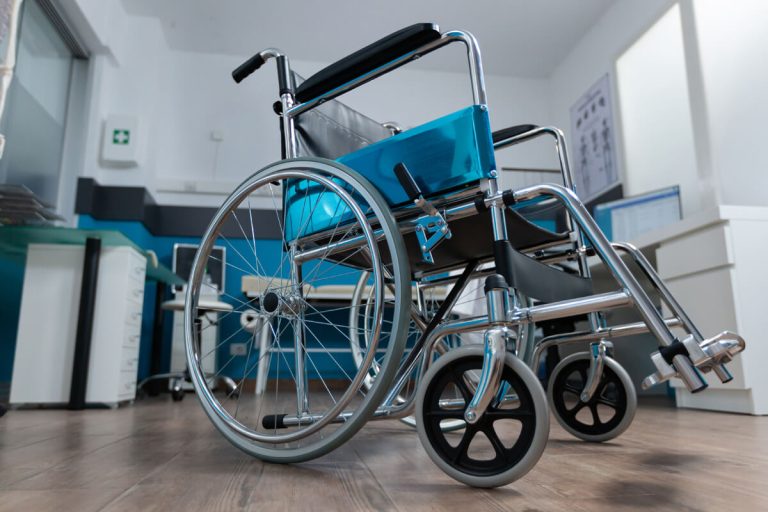
Blood pressure cuffs, thermometers, wheelchairs. If not disinfected between uses, they become transmission tools.
Cleaning Tools Themselves
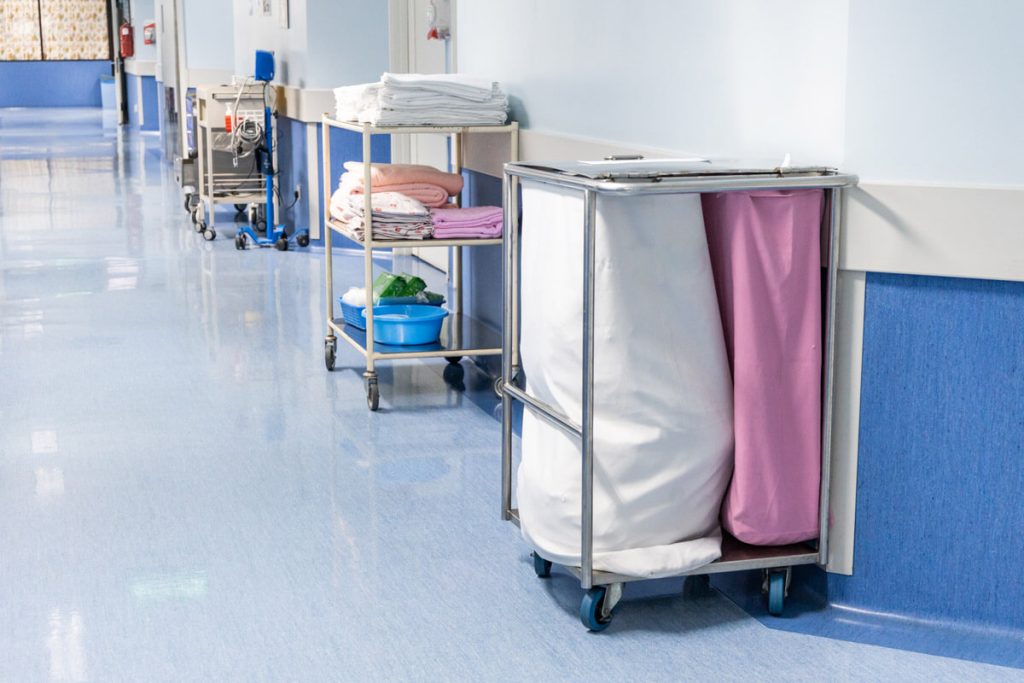
Mops, cloths, and buckets are one of the biggest overlooked risks. Without proper separation systems, they carry contamination from room to room.
Improper PPE Handling
Gloves used across multiple tasks or removed incorrectly can transfer pathogens instantly.
Air and Ventilation
In enclosed areas, poor airflow can allow particles to linger and spread beyond their original location.
Strong cleaning standards for healthcare facilities are designed specifically to control each of these risk points.
The Difference Between Regular Cleaning and Medical Cleaning
Regular cleaning focuses on:
- Removing visible dirt
- Improving appearance
- Basic sanitation
Medical cleaning focuses on:
- Eliminating pathogens
- Preventing transmission
- Following strict disinfection protocols
Medical cleaning includes:
- Defined dwell times for disinfectants
- Color-coded cleaning systems to avoid cross-use
- Zoning strategies
- Use of hospital-grade chemicals
Without this structure, even frequent cleaning won’t meet cleaning standards for healthcare facilities.
Why Cleaning Standards for Healthcare Facilities Are Non-Negotiable
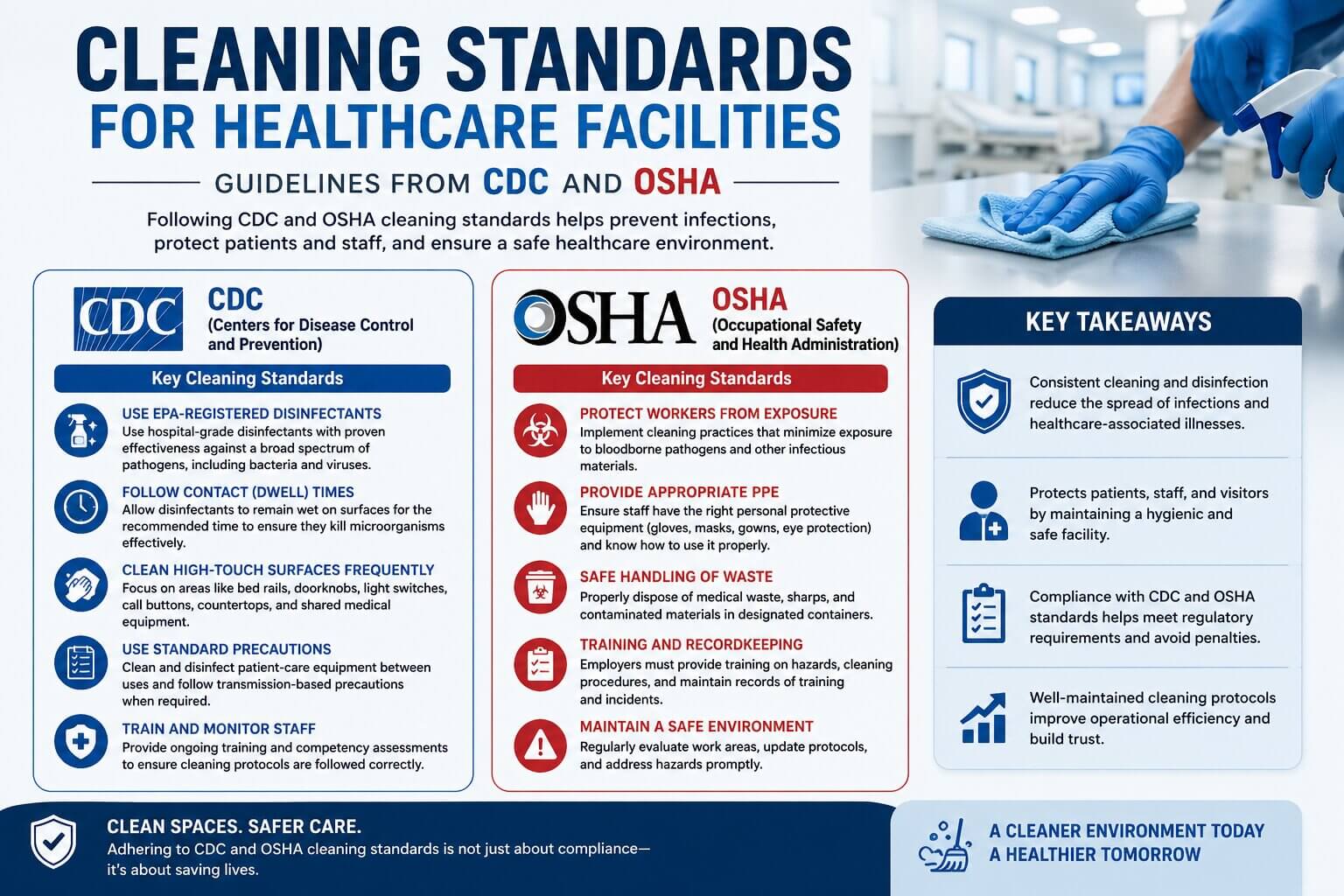
Healthcare cleaning is governed by strict frameworks because the margin for error is extremely small. Organizations like the CDC and OSHA set expectations that go far beyond basic sanitation.
Here’s the reality most people overlook:
- Pathogens like MRSA and C. difficile can survive on surfaces for days
- Improper cleaning doesn’t remove contamination, it spreads it
- High-traffic environments amplify risk exponentially
Cleaning standards for healthcare facilities exist to enforce consistency. Not “good enough” cleaning, but repeatable, measurable infection control.
And honestly, most general cleaning companies aren’t equipped for this level of responsibility. They’re trained for maintenance, not microbiological risk management.
Cleaning Standards for Healthcare Facilities: Protocols That Actually Work
Surface disinfection must include proper contact time. Cleaning must follow a clean-to-dirty workflow. Equipment should never be shared across zones. Isolation areas require dedicated protocols. Waste must be handled carefully.
These are not optional steps. They are the backbone of cleaning standards for healthcare facilities.
The Role of Staff Training in Cleaning Standards for Healthcare Facilities
Training should cover:
- How pathogens spread
- Correct chemical usage
- Proper PPE handling
- Cleaning sequence
Most failures come from human error, not lack of products. That’s why cleaning standards for healthcare facilities rely heavily on training and consistency.
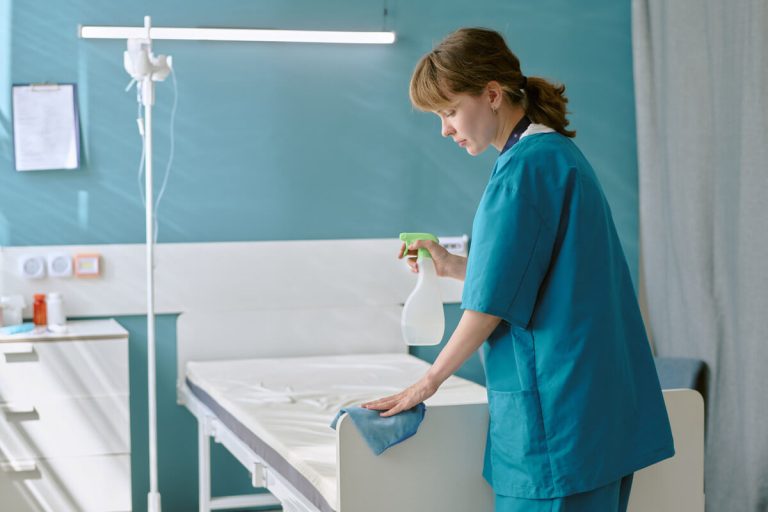
How Professional Medical Cleaning Services Reduce Cross-Contamination
A proper medical cleaning service brings:
- Standardized procedures
- Accountability through audits
- Trained staff
- Consistent execution
This improves compliance with cleaning standards for healthcare facilities.
Signs Your Facility May Not Meet Cleaning Standards for Healthcare Facilities:
- Same cleaning tools used everywhere
- No cleaning logs
- Inconsistent practices
- Focus on appearance over process
- No zoning between risk levels
If these exist, the facility is not truly controlling contamination.